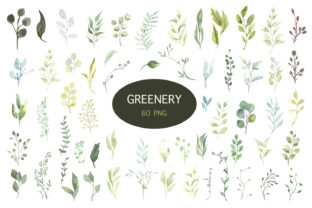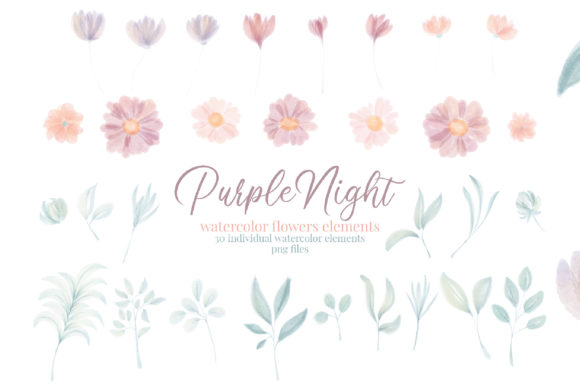
Watercolor Flower Clipart Elements
As an embroidery designer with years of experience, I’ve seen countless designs come and go. But when I first laid eyes on the Watercolor Flower Clipart Elements, I immediately recognized its potential for real-world use. This collection isn’t just aesthetically pleasing—it’s practical, versatile, and ready to elevate a wide range of projects.
The First Impression: A Delicate, Artful Mood
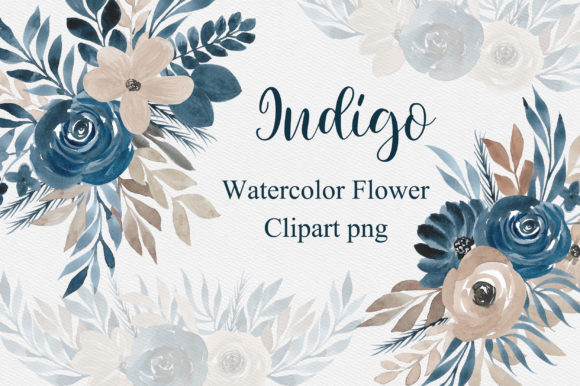
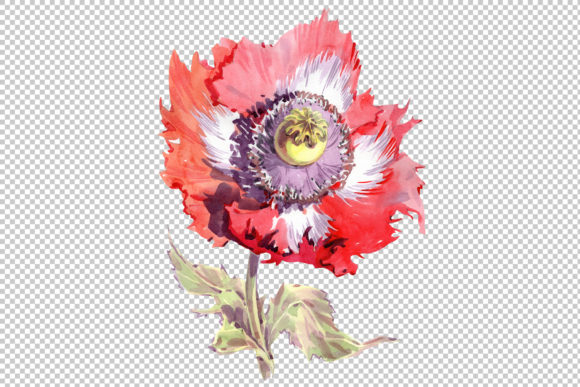
The Watercolor Flower Clipart Elements exude a soft, artistic energy. The design style is gentle and whimsical, with subtle gradients and fluid lines that mimic the look of hand-painted watercolors. Each flower element has a unique personality, from delicate petals to intricate details that suggest a painter’s touch. This makes it ideal for projects that aim to evoke calm, elegance, or a sense of nature.
The layout of the elements is clean and well-organized, making it easy to select and combine pieces for different applications. Whether you’re creating a single floral motif or a full bouquet, the design offers flexibility without feeling cluttered.
Real-Life Use: From Tote Bags to Baby Items
I recently used the Watercolor Flower Clipart Elements to create a custom embroidered tote bag for a client who wanted something both functional and stylish. The design translated beautifully onto cotton fabric, with the satin stitch giving the flowers a smooth, polished look. The fill stitches were even and consistent, which is crucial for maintaining visual clarity in machine embroidery.
This design also works well for baby items, such as onesies or blankets. The soft, muted tones are perfect for nursery decor, and the gentle shapes don’t feel too busy or overwhelming. For a holiday gift, I added a few Watercolor Flower Clipart Elements to a personalized apron, and the result was both charming and professional.
One thing I noticed is that the design shines best on light-colored fabrics. On dark backgrounds, the detail can be harder to see, so I recommend testing it on different materials before finalizing a project.
Where to Be Careful: Practical Considerations
While the Watercolor Flower Clipart Elements are visually appealing, they do require some attention in certain situations. For example, on small hoop sizes, the design may need to be split into sections to ensure proper stitching. If you're working with textured fabrics or thin materials, you’ll want to use a good stabilizer to prevent puckering or distortion.
Stretchy fabrics can also be a challenge, especially if the design includes fine details or tight curves. In such cases, a tear-away stabilizer paired with a medium-weight backing can help maintain shape and stability. Similarly, on curved surfaces like caps or hats, the design may need slight adjustments to fit properly.
For commercial embroidery projects, it’s important to confirm the licensing terms before selling finished products. While the Watercolor Flower Clipart Elements seem suitable for personal and small business use, always double-check the rights to avoid any legal issues.
Impact on Visual Appeal and Customer Trust
The Watercolor Flower Clipart Elements add a level of sophistication that can significantly enhance the value of a handmade product. When used on custom apparel or boutique merchandise, the design contributes to a cohesive brand aesthetic and helps build customer trust. People often associate high-quality embroidery with attention to detail, and this design delivers that.
From a marketing perspective, the design is highly giftable. Its soft, artistic style appeals to a broad audience, making it a safe choice for personalized gifts or holiday items. It also works well in printable mockups, allowing sellers to showcase their products effectively on platforms like Etsy or social media.
For craft businesses, the Watercolor Flower Clipart Elements can serve as a valuable addition to a digital product library. Whether you're creating embroidery files for sale or using them in your own projects, the design offers versatility and consistency across different applications.
Design Notes for Embroidery Professionals
Before using the Watercolor Flower Clipart Elements in a project, I always recommend testing the design on scrap fabric. This helps you understand how the stitch density and thread colors interact with different materials. For example, on a lightweight fabric, you might need to adjust the stabilizer or reduce the number of fill stitches to avoid bulkiness.
Another tip is to review the design in black and white mockups. This can reveal hidden details or areas where the design might not translate well. It also helps in determining whether the design will work on both light and dark fabric backgrounds.
If you're planning to sell finished products or digital files, make sure to check the licensing agreement. Some designs have restrictions on commercial use, and it's better to be clear on these terms before investing time and resources into a project.
Final Thoughts: A Design That Works Well in Practice
The Watercolor Flower Clipart Elements are more than just a pretty set of illustrations—they’re a practical tool for embroidery designers, small business owners, and crafters looking to create beautiful, professional-looking projects. Whether you're working on custom apparel, baby items, or holiday gifts, this design has the potential to elevate your work and attract customers who appreciate artistry and quality.
With careful consideration and proper technique, the Watercolor Flower Clipart Elements can become a staple in your design toolkit. They’re not just for show—they’re built for real use, and that’s what makes them stand out in the world of machine embroidery.