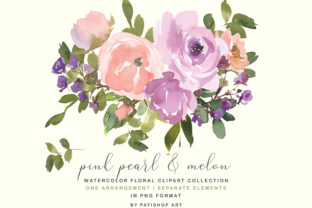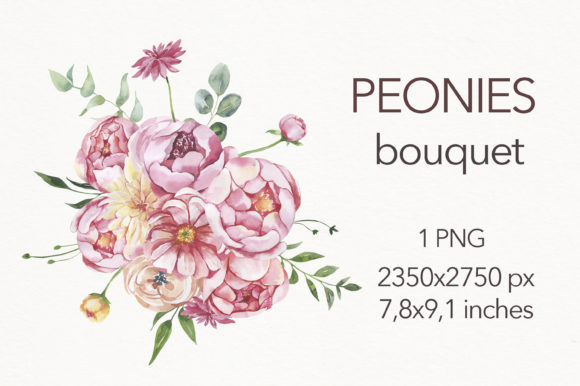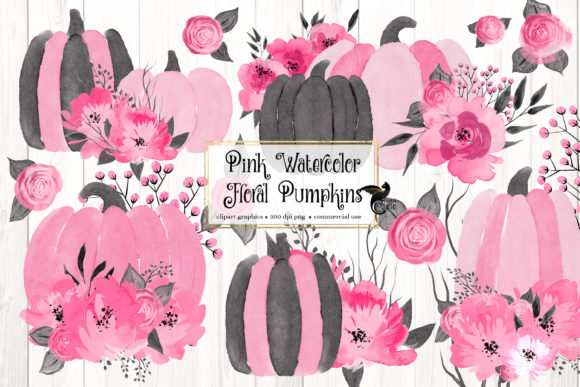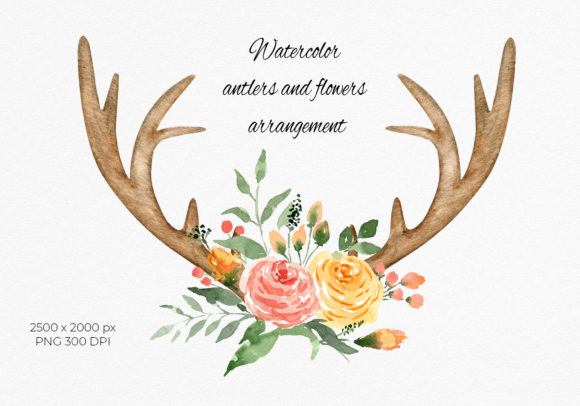
Watercolor Floral Clipart Bouquet Illustrations
As a blog designer and digital publisher, I’ve seen countless graphic design assets come and go. But the Watercolor Floral Clipart Bouquet stands out for its versatility and editorial quality. This set of illustrations offers a soft, artistic touch that can elevate any content project—from blog graphics to social media visuals.
The First Impression: A Soft, Artistic Mood
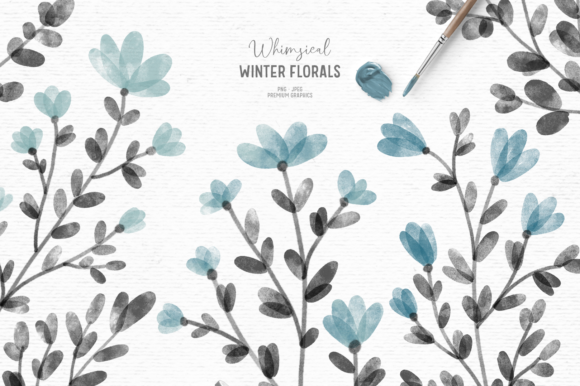
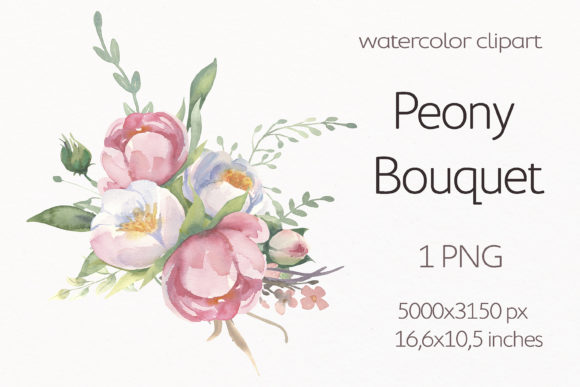
Upon first glance, the Watercolor Floral Clipart Bouquet exudes a gentle, feminine aesthetic. The delicate brushstrokes and pastel tones create a visual mood that feels both modern and timeless. It’s ideal for content niches like lifestyle, wellness, home decor, or creative education. The design doesn’t feel overly bold or flashy—it’s more about subtle elegance and visual storytelling.
This style naturally supports content that aims to feel approachable, warm, and visually cohesive. Whether you're creating a digital guide or a Pinterest pin, the bouquets add a touch of creativity without overwhelming the viewer.
Real Publishing Use Cases
The Watercolor Floral Clipart Bouquet is incredibly adaptable. Here are some real-world scenarios where it shines:
- Blog Featured Images: Add a floral accent to your post headers to make them more eye-catching and visually engaging.
- Pinterest Graphics: Use the bouquets as background elements in your pins to draw attention and increase click-through rates.
- Article Headers: Pair the illustrations with headlines to create a more polished, editorial look.
- Website Banners: Incorporate the clipart into your website header or section dividers for a consistent, professional appearance.
- Newsletter Graphics: Enhance your email templates with these illustrations to make your content feel more personal and inviting.
- Lead Magnets: Use the bouquets in downloadable printables or free resources to add visual appeal and reinforce brand identity.
How It Boosts Content Performance
When used effectively, the Watercolor Floral Clipart Bouquet can significantly improve your content marketing efforts. Its clean lines and soft colors help establish a stronger visual hierarchy, making it easier for readers to navigate your site and focus on key messages.
It also contributes to better brand identity. Consistent use of this design asset across your blog, social media, and digital guides creates a unified look that builds trust and recognition. Readers begin to associate your content with a certain level of quality and professionalism.
Moreover, the bouquets enhance click-through potential. Visuals that are aesthetically pleasing and well-structured encourage users to engage more with your content, whether it's clicking on a link, downloading a resource, or sharing a post.
Where It Works Best
The Watercolor Floral Clipart Bouquet excels in several publishing contexts:
- Hero Images: Use the bouquets as background elements to create a welcoming, visually rich landing page.
- Article Thumbnails: Add a floral element to your post thumbnails to make them stand out in search results and social feeds.
- Blog Graphics: Incorporate the clipart into sidebars, callout boxes, or section dividers for a more dynamic layout.
- Editorial Accents: Use the illustrations to highlight key points, quotes, or sections within your content.
- Content Upgrades: Include the bouquets in downloadable resources to add value and visual interest.
Where to Use It Carefully
While the Watercolor Floral Clipart Bouquet is versatile, it’s not suited for every scenario. Avoid using it in:
- Small Mobile Thumbnails: The fine details may not render clearly on smaller screens.
- Text-Heavy Blog Images: The illustration could compete with your text, reducing readability.
- Low-Contrast Backgrounds: The soft colors may blend in too much and lose impact.
- Busy Layouts: Too many elements can overwhelm the design and dilute the message.
- Serious Professional Niches: For corporate or high-stakes content, a more minimal or formal design might be more appropriate.
Publisher Notes: Testing and Optimization
To ensure the Watercolor Floral Clipart Bouquet works well for your content, follow these practical steps:
- Test on Desktop and Mobile: Check how the design looks on different screen sizes and resolutions.
- Preview as a Thumbnail: Make sure it remains recognizable and appealing when scaled down.
- Place in a Real Blog Layout: See how it interacts with other design elements and content.
- Test with Headline Text: Ensure the illustration complements your typography without clashing.
- Check Contrast and Readability: Adjust colors if needed to maintain clarity.
- Try in Black and White: Assess how the design holds up without color.
- Pair with Different Fonts: Experiment with serif, sans serif, script, handwritten, and display fonts to find the best match.
- Review File Size: Optimize images for web performance to avoid slowing down your site.
- Confirm Commercial Licensing: Ensure you have the right to use the asset on monetized websites, affiliate pages, or paid content products.
Final Thoughts: A Versatile Design Asset
The Watercolor Floral Clipart Bouquet is a valuable addition to any digital publisher’s toolkit. Whether you’re working on a blog, an eBook, a Canva template, or a lead magnet, this set of illustrations can bring a fresh, artistic touch to your content. With proper use, it enhances visual communication, supports editorial design, and strengthens your brand identity across multiple platforms.
As a designer and publisher, I recommend experimenting with the bouquets in various formats and layouts to see how they can elevate your content. With the right approach, this graphic design asset can become a cornerstone of your creative design strategy.