Blue Flower Watercolor Illustrations
The First Impression of Blue Flower Watercolor
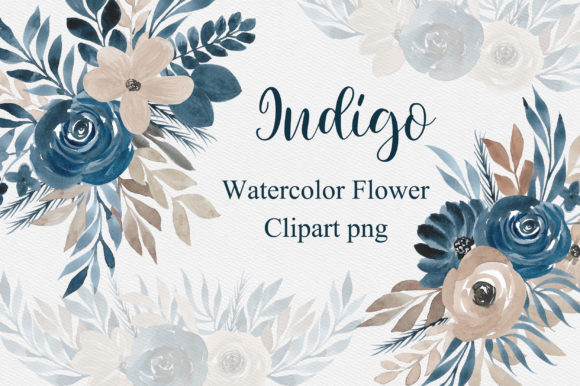
Blue Flower Watercolor offers a soft, elegant aesthetic that immediately evokes a sense of calm and creativity. The gentle brushstrokes and pastel hues create a mood that feels both artistic and approachable. This design asset is ideal for brands aiming to communicate a natural, organic, or lifestyle-focused message. It works well for casual branding, handmade products, and lifestyle content, but may not be the best fit for highly formal or corporate environments.
Emotional Tone and Audience Perception
The emotional tone of Blue Flower Watercolor leans toward relaxation, inspiration, and sophistication. It can help build a connection with audiences who value creativity, nature, or artisanal craftsmanship. For small business branding, this illustration can reinforce a brand’s identity as unique, thoughtful, and visually appealing. However, it's important to consider how it aligns with the target audience’s expectations and the overall brand personality.
Practical Applications in Marketing and Branding
Blue Flower Watercolor excels in various marketing and branding scenarios. As a graphic design asset, it can enhance brand identity by adding a touch of artistry to logos, packaging design, and product labels. In social media graphics, it can serve as an eye-catching background or accent that complements a campaign’s message without overwhelming the viewer. For digital ads, it helps maintain visual consistency while ensuring the main message remains clear and readable.
Supporting Marketing Goals
When used effectively, Blue Flower Watercolor can strengthen a campaign’s first impression and improve audience trust. Its clean lines and subtle details contribute to a stronger visual hierarchy, making it easier for viewers to focus on key elements like headlines or calls to action. It also supports better product presentation by adding a professional appearance to marketing visuals, whether in blog graphics, email banners, or editorial design.
Where Blue Flower Watercolor Shines
This illustration is particularly effective in hero graphics, campaign headers, and product launch visuals. It can be incorporated into branded templates, social media covers, and packaging accents to create a cohesive look across different platforms. Content bundles, promotional banners, and editorial layouts benefit from its versatility, allowing designers to maintain a consistent style while keeping the visuals engaging and fresh.
Where to Use with Caution
While Blue Flower Watercolor is a strong design asset, it may not be suitable for all applications. In formal corporate branding, it could appear too casual or unstructured. Dense information layouts may suffer from clutter if the illustration is not carefully placed. Small mobile graphics, low-contrast backgrounds, and text-heavy ads can also pose challenges, as the design might compete with the main message rather than support it.
Brand Designer Notes: Testing and Integration
Before finalizing any use of Blue Flower Watercolor, it’s essential to test it with the brand’s color palette. Ensure that the illustration doesn’t clash with existing colors or fonts. Check how it looks in black and white to confirm its adaptability. Place it inside real campaign mockups to see how it interacts with other design elements. Preview it on mobile screens to ensure readability at smaller sizes.
Font Pairing and Visual Balance
Consider how Blue Flower Watercolor pairs with different font styles. Serif fonts can add a classic feel, while sans serif fonts offer a modern contrast. Script or handwritten fonts may complement the illustration’s organic look, while display fonts can provide a bold focal point. Pay attention to spacing and balance to avoid a cluttered appearance.
Commercial Licensing and Design Asset Considerations
Always confirm the commercial license before using Blue Flower Watercolor in paid campaigns, client work, or business branding. As a digital product, it can be part of a design bundle, SVG design, or PNG design, offering flexibility for various projects. Whether used as clipart, a Canva template, or a printable design, it should align with the intended use case and legal requirements.
Best Fit for Creative Marketplaces and Content Creation
Blue Flower Watercolor is well-suited for creative marketplaces where small businesses and independent designers seek high-quality illustrations. It can enhance digital ads, content marketing efforts, and web design projects. For editorial design, it adds a decorative element that elevates the overall look without overpowering the content.
Conclusion: A Versatile Design Asset for Branding and Marketing
Blue Flower Watercolor is a versatile graphic design asset that can elevate a wide range of marketing and branding initiatives. Its ability to create a calming, artistic mood makes it ideal for small business branding, content creation, and visual storytelling. When used thoughtfully, it supports stronger audience engagement, clearer visual hierarchy, and a more memorable campaign presence. By understanding its strengths and limitations, designers and marketers can make informed decisions about how to integrate it into their workflows and creative projects.